Pro Track vs. Recreational Ballet: Which Path Is Right for Your Dancer?
At some point — usually around age 9 or 10 — a lot of parents hit the same fork in the road: does my dancer keep taking one or two classes a week for fun, or is it time to consider a more serious, pre-professional track? Neither answer is “better.” They’re built for different dancers and different goals, and knowing the real differences makes the decision much easier.
What Recreational Ballet Actually Offers
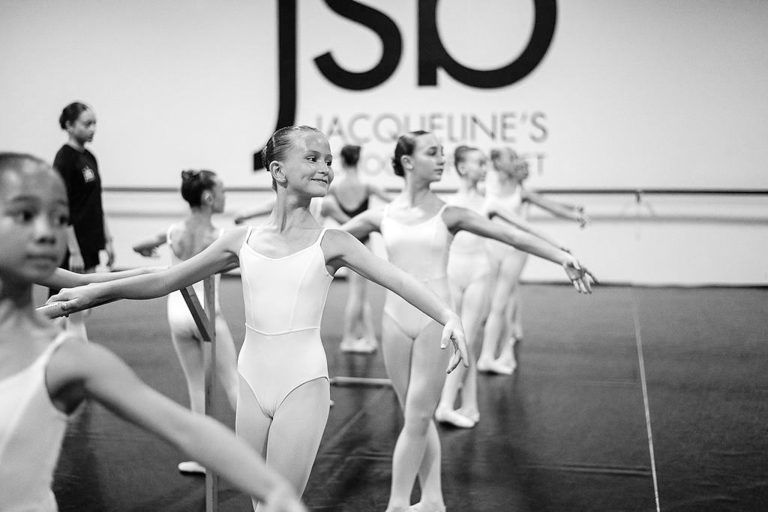
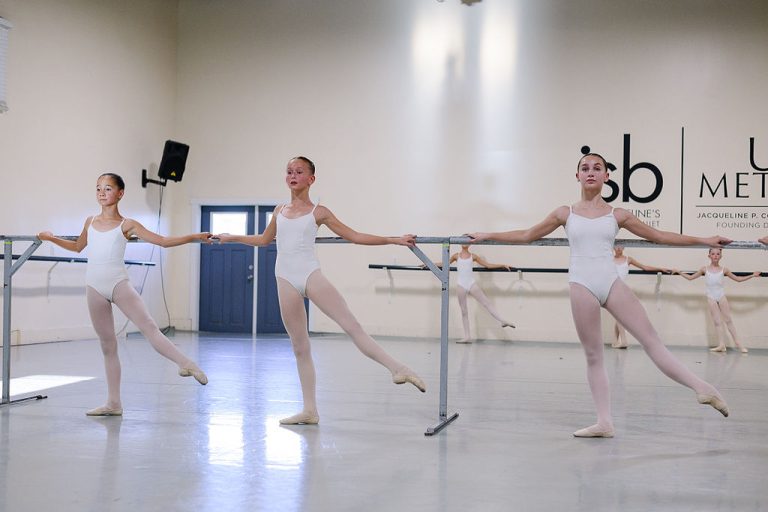
Recreational-level classes — think Levels 1 through 3 or 4 in a typical leveled program — are built for dancers who want strong technique, real progress, and a performance outlet, without the time commitment of a pre-professional schedule. These classes usually meet once or twice a week, and students still perform in productions and recitals. For most kids, this is exactly the right amount of ballet: enough to build real skill and confidence without crowding out school, friends, and other activities.
What Pro Track Actually Requires
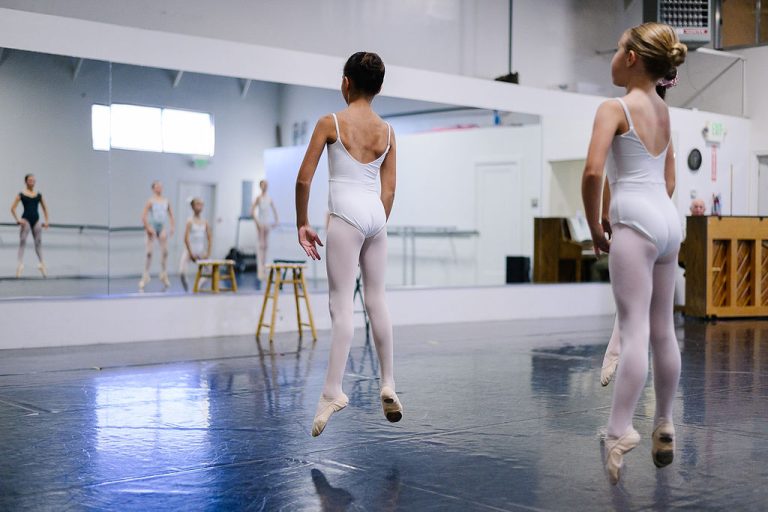
A pre-professional or “Pro Track” pathway is a meaningfully different commitment — typically four to five days a week, often including pointe work, conditioning, contemporary technique, and rehearsal time on top of class. It’s designed for dancers who are aiming toward serious training goals: company membership, competition at a high level, conservatory programs, or a professional career. Faculty invitation, not just interest, is usually required to enter this track, because the pace assumes a certain level of technique is already in place.
Signs Your Dancer Might Be Ready for a More Serious Track
A few patterns tend to show up before a dancer is ready for Pro Track: they’re asking for more class time on their own, faculty have specifically mentioned their progress or potential, they show strong focus and self-discipline in class already, and — importantly — they want the increased commitment, rather than a parent wanting it for them. That last point matters more than any of the others; pre-professional training is demanding, and it works best when it’s the dancer’s own drive.
Signs Recreational Ballet Is the Better Fit
If your dancer loves ballet but also loves soccer, theater, or simply having unstructured time after school, recreational classes let them keep all of it. There’s no rule that says a talented dancer has to accelerate into a pre-professional track — many strong dancers stay in recreational-level classes for years and still perform beautifully, still improve steadily, and still have the option to move up later if their interest deepens.
Can a Dancer Move Between Tracks?
Yes, in both directions. Recreational dancers who develop strong technique and real drive are regularly invited into pre-professional programs as they progress. Just as often, a Pro Track dancer whose priorities shift — more academic demands, a new interest, simple burnout — can step back into a recreational schedule without it being a step backward. The tracks exist to match effort to goals, not to sort dancers permanently into categories.
Recreational ballet and Pro Track training aren’t a ranking of “serious” versus “not serious” dancers — they’re two different commitments built for two different sets of goals. The right choice depends on your child’s schedule, their own desire for more intensive training, and whether faculty have identified them as ready for the pace Pro Track requires.
Frequently Asked Questions
What is the difference between recreational and pre-professional ballet training? Recreational classes typically meet once or twice a week and focus on steady technical progress and performance for its own sake. Pre-professional (Pro Track) training meets four to five days a week and is built for dancers pursuing company membership, serious competition, or a professional career.
At what age do dancers usually start Pro Track or pre-professional training? It varies by dancer, but faculty typically identify candidates around ages 9 to 12, once foundational technique and the physical readiness for pointe and increased training volume are in place.
Can my child switch from recreational to Pro Track later? Yes. Dancers regularly move into pre-professional tracks once faculty see the technique and commitment level required — it’s not a one-time decision made at enrollment.